Most visitors to the Mother City have Robben Island and the District Six museum on their cultural “to do” lists. However, arguably one of South Africa’s most relevant museums, the First Nations Heritage Centre, is now open and should be a priority. The reason why it’s important is not only the documentation of Khoi and San history, but the location is of historical importance.
I’ve been interested in the museum due to my upbringing in Southern Namibia where I listened to the language of the Nama people spoken for many years. Since moving to South Africa I began to learn about Khoisan history. A fascinating and rich timeline interwoven with colonial battles, a deep knowledge of the fynbos kingdom and their effort to be recognised as the first known people of the area.
Why Is the Heritage Centre Significant?
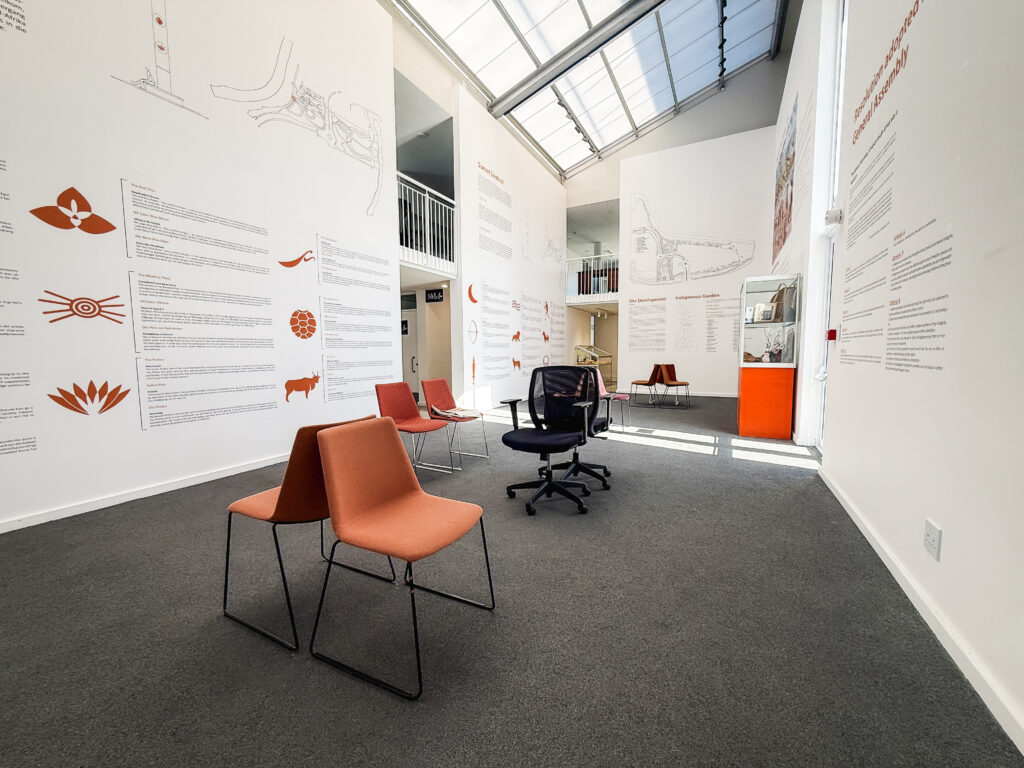
The First Nations Heritage Centre is important to the Cape Town (and South African landscape) as it’s the first of its kind. A centre built specifically to honour, preserve and educate visitors on the Khoi San people, South Africa’s first nation. This is executed through:
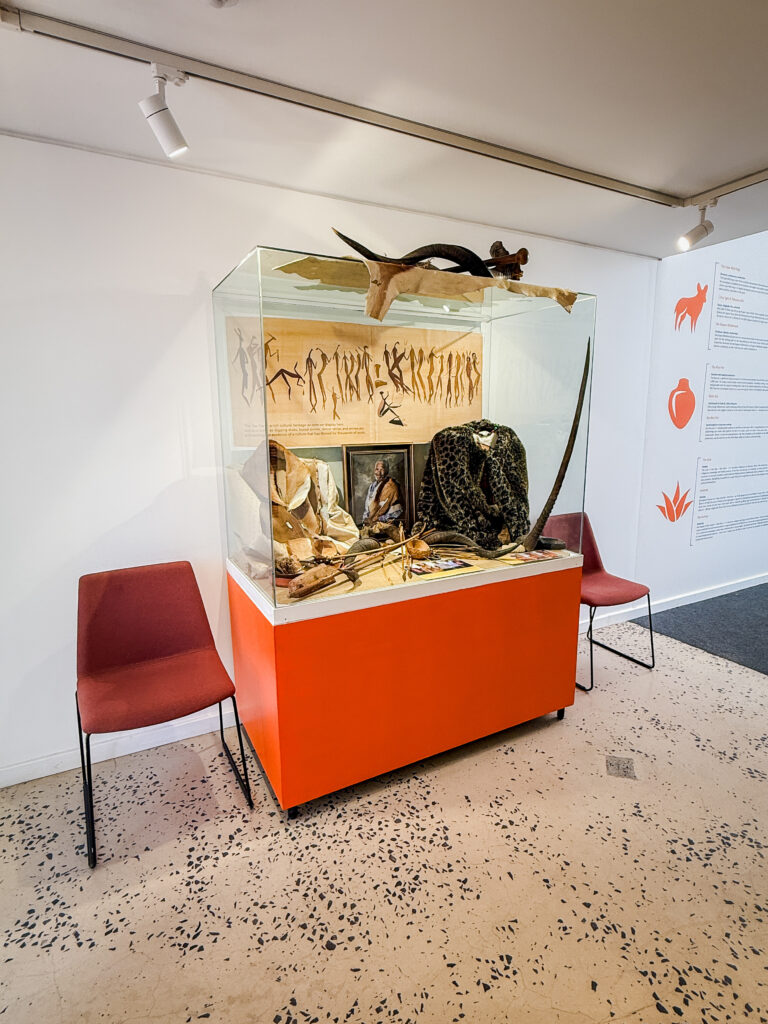
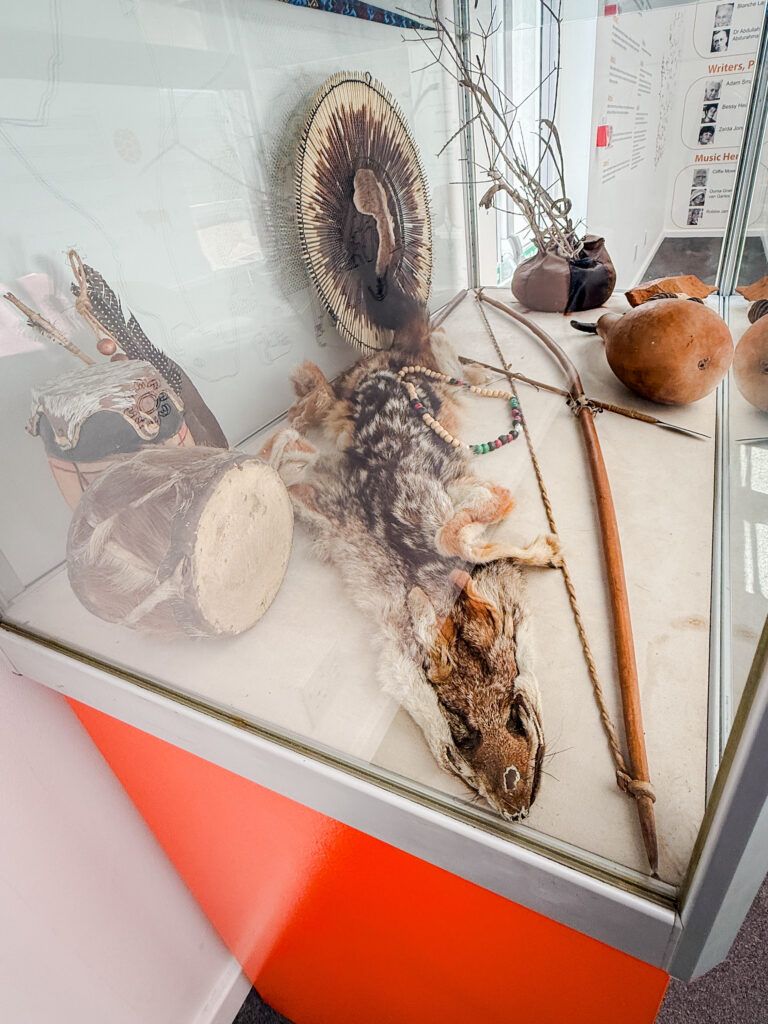
- A formal collection of San and Khoi artifacts, donated by individual members of the public.
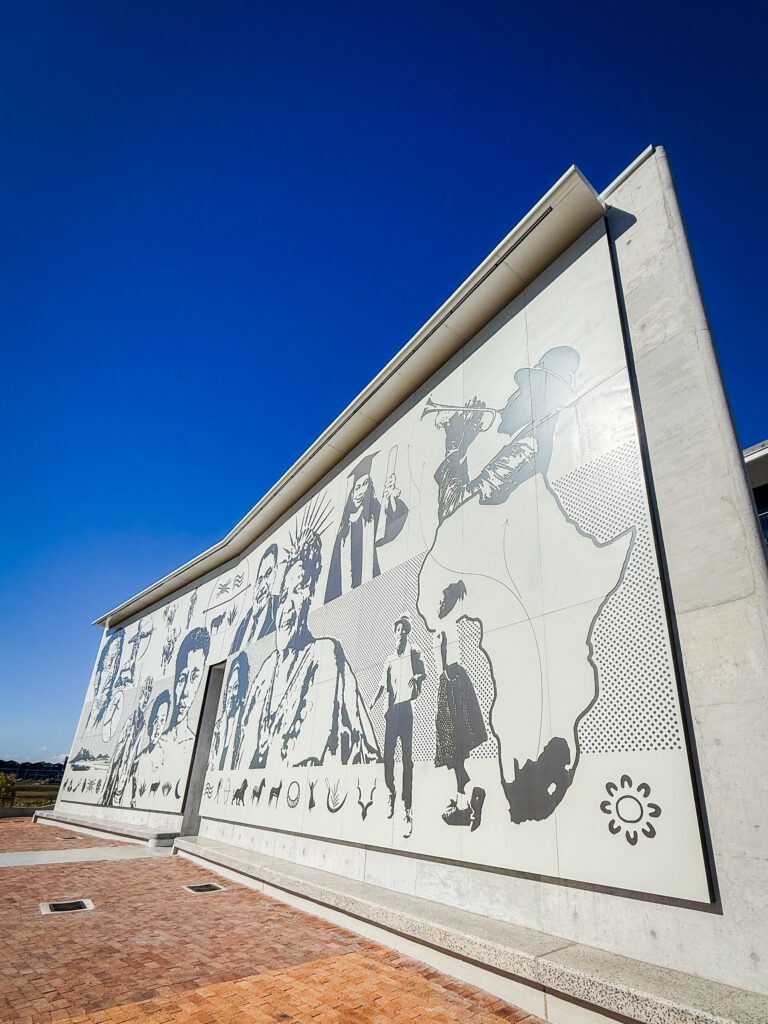
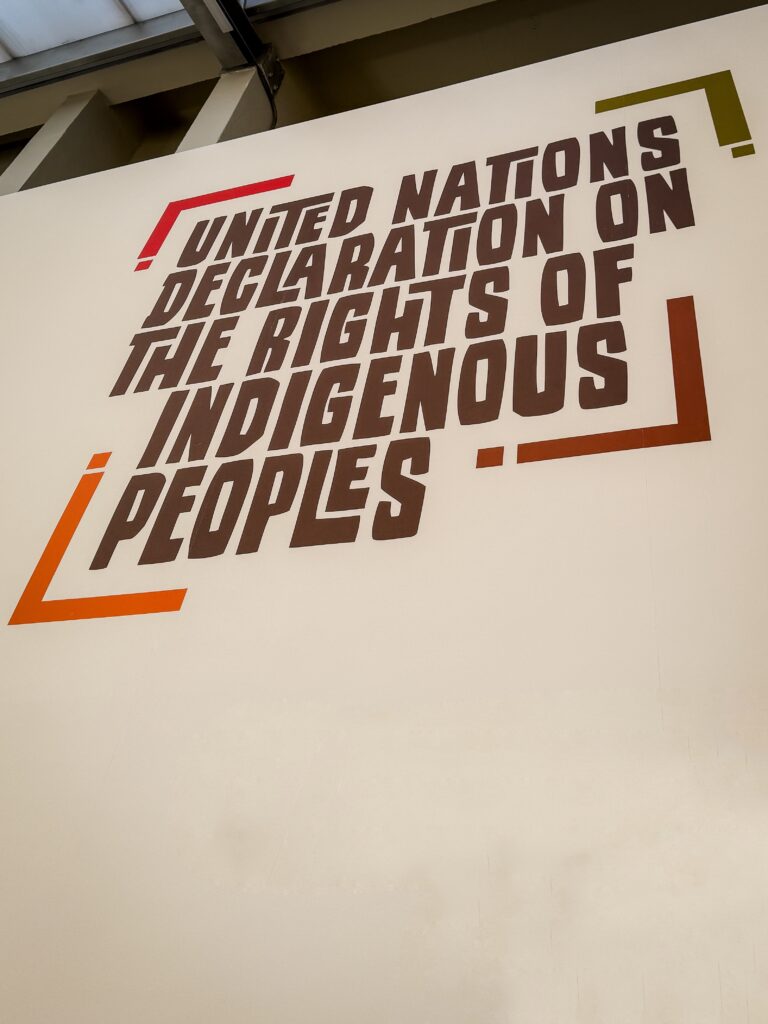
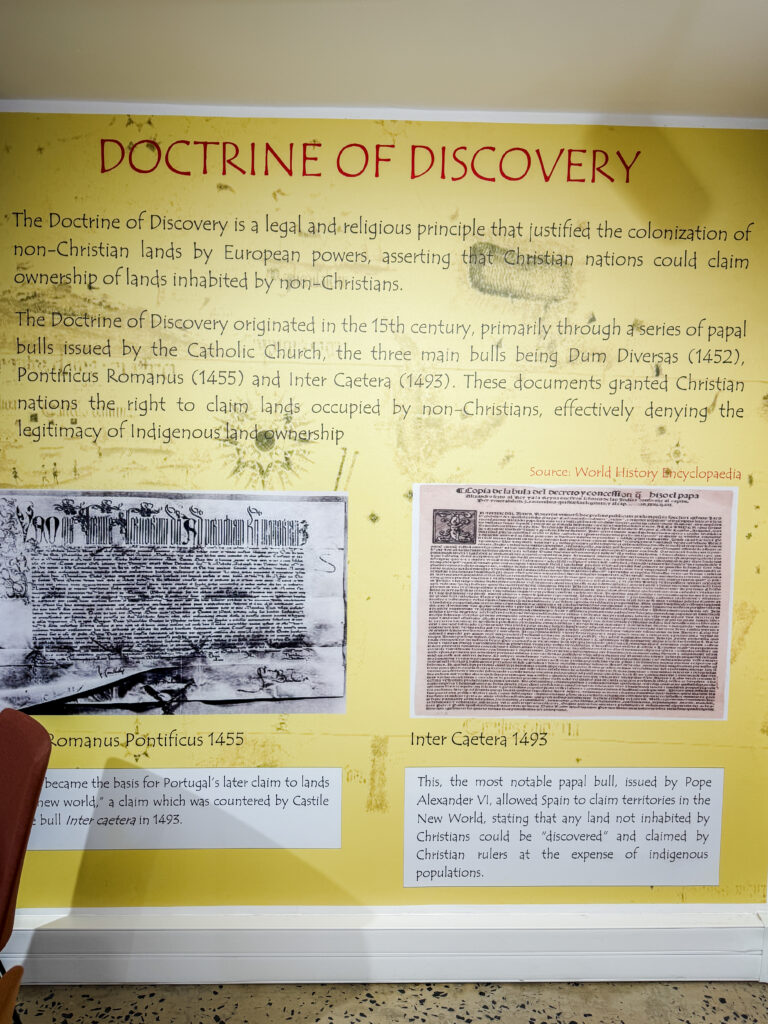
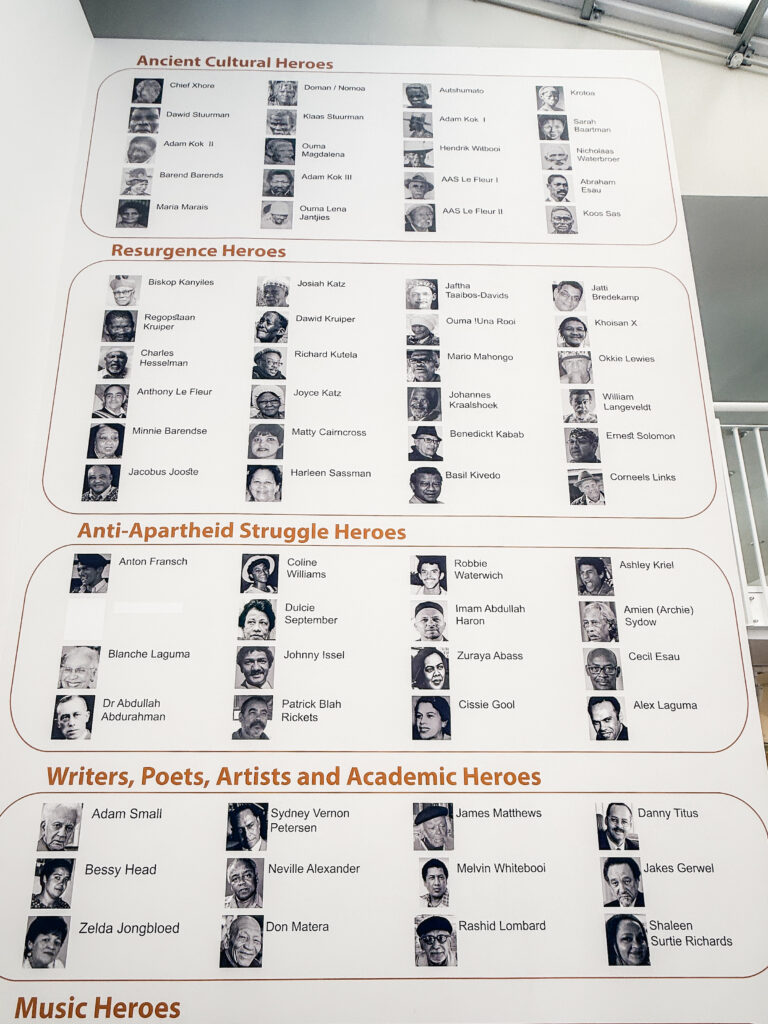
- Exhibited history of the First Nation in the Cape via murals and text presentations.
- Preservation of Khoi and San languages via written descriptions alongside English and Afrikaans.
- Exhibition spaces showing contemporary indigenous art and artists.
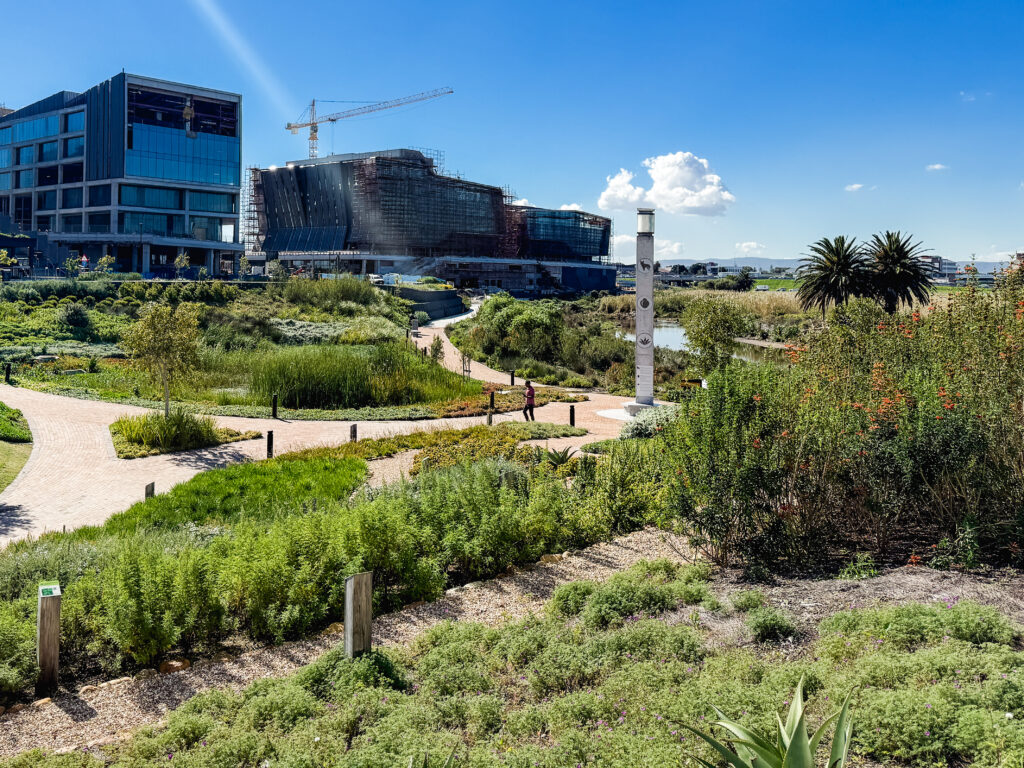
- Cultural space for traditional medicine inside their new, indigenous garden.
Where is Riverlands?
Located between Observatory and the N2 highway, the centre came with a lot of misinformation and controversy, mainly due to the development of the Amazon Headquarters on the neighbouring property. This, however, is not a part of the museum’s story and actually detracts from the significance of the site – which is deeply rooted in the battles between colonials and the Khoi Sans peoples.
Over 500 years ago (in 1510), Portuguese commander Francisco D’Almeida was encircled and defeated by the Gorinhaiqua Khoi people at Salt River Beach, using cattle, spears, bow and arrows. It’s considered one of the most remarkable military victories in African history and took place in what is now known as the Two Rivers Urban Park – the very location the Heritage Centre overlooks.
A Brief History
In years to come, Dutch coloniser and explorer Jan Van Riebeeck forced local peoples out of the first parcels of land on either side of the Liesbeek river. This centre now transforms the location from a place of trauma to reclamation and celebration.
Western Cape First Nations Collective
“It is the physical manifestation of cultural resurgence and healing.”
Why Visit?
If you love history, if you love Cape Town, if you love honoring your country in a way that speaks beyond colonial narratives, then this centre is for you.
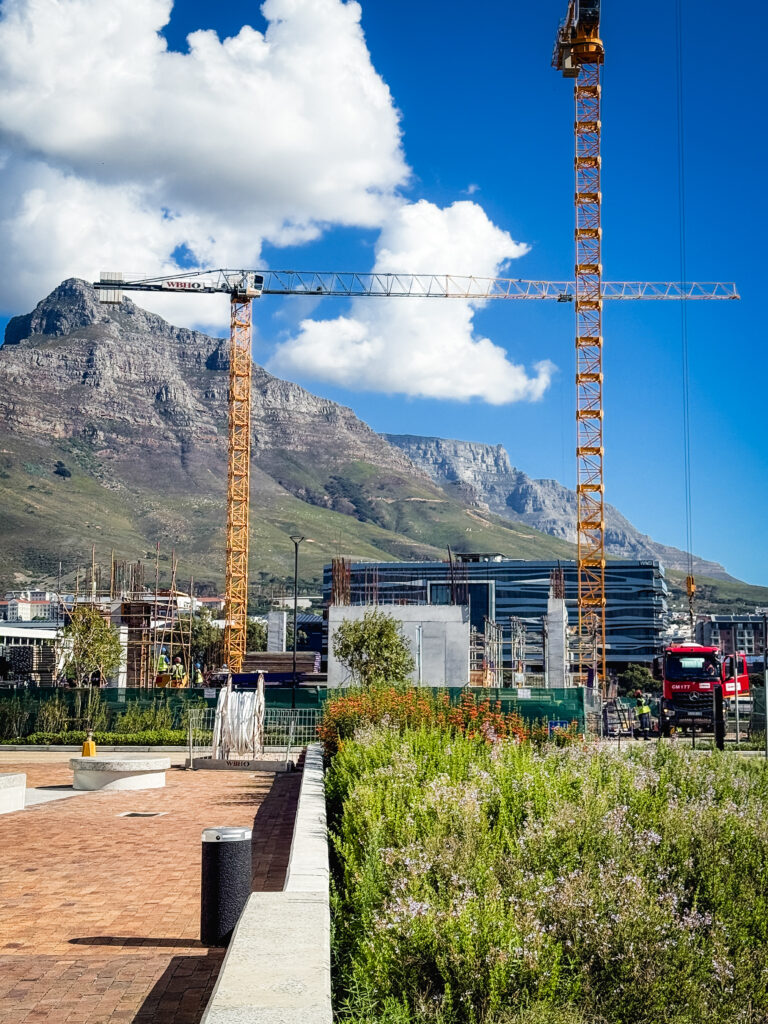
- Known as Hoerikwaggo and sacred to the Khoi; Table Mountain is easily viewed from the centre.
- The centre gives context for everything else in Cape Town (where this amazing city originated from).
- The Khoi and San are among the oldest cultures on earth – their story is a world heritage story.
- Visiting is an act of support for a community still striving for recognition in a country (and continent) where land ownership remains a difficult topic in 2026.
Everything You Need to Know
Opening hours
The Heritage Centre is open from 9am to 4pm daily, from Monday to Friday. It seems to have “soft launched” in early 2026, but considering I physically visited in early May, I can confirm it is open.
Entry Fee
Because I was so early in visiting, there actually wasn’t an entry fee as yet! It will be included in due course, but it’s still currently free at this time.
How Much Time Do You Need
There’s a lot of written information on the museum’s displays so it would be tricky to read it all within an hour. My recommendation is to visit for an hour, get a sense of the space (it’s small), read what you can and then return if time allows.
TOURS
There are no formal tours at this time, but because it’s open during the week I do believe tours will commence at some point. They did mention that school or university groups had already visited and that the centre would be available to hire for events (all likely to unfold throughout the year).
Food
No eating is allowed inside the centre so plan to have a meal before or after visiting.
Parking
There is safe and secure paid parking, underground, within the Riverlands centre, which allows for easy visiting without worrying about security.
How To Get There
The cultural centre is on the way from the airport and into Cape Town. Once parked, take the escalators or elevators to the ground floor. Exit the mall on the northern side (Woolworths), walk down in between Omlilo and the Muscle Monger, take a right along the pathway, cross the zebra crossing and the Heritage Centre is on your right.